
A healthier outdoor property starts with more than planting a few shrubs or improving curb appeal. The condition of the lawn, soil, trees, paved areas, drainage paths, and planting beds all affects how well the property functions over time. When these elements are planned together, outdoor spaces can become easier to maintain, safer to use, and better prepared to handle changing weather and seasonal demands.
Before beginning a major project, take time to evaluate the property as a whole. Look for areas where water collects, soil is washing away, plants are struggling, trees are declining, or paved surfaces are beginning to crack. These clues can reveal problems that should be corrected before money is spent on cosmetic upgrades.
A thoughtful improvement plan should prioritize function first. Stabilizing soil, correcting drainage, removing hazardous vegetation, and repairing damaged surfaces can create a stronger foundation for future landscaping. Once those needs are addressed, planting, design, and finishing work can have a greater chance of lasting.
It is also useful to think about maintenance access before adding permanent features. Utility equipment, drainage outlets, tree roots, fences, and service paths may all need to remain reachable. A design that looks attractive on installation day can become difficult to maintain if plants, walls, or hardscape block important access points. Planning for future service helps the property remain practical as it changes.
Strengthen the Landscape Before Adding New Features
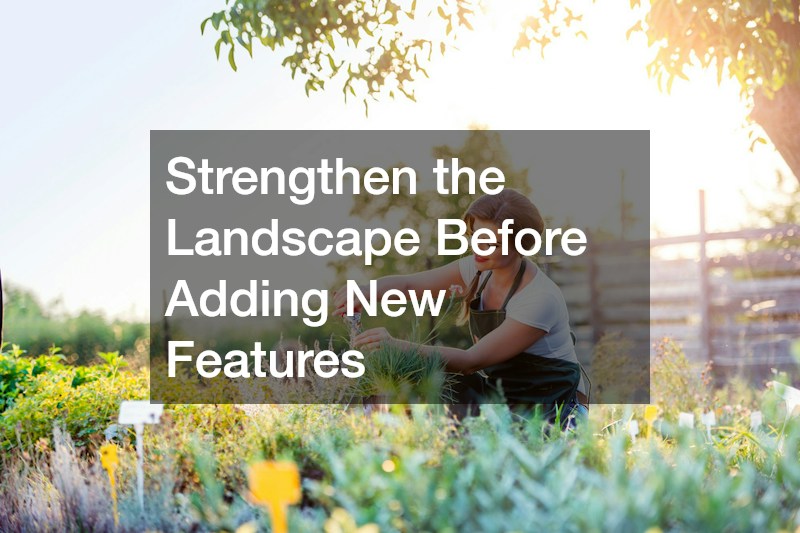
A successful landscape begins with understanding the conditions already present. Walk the property at different times of day and, if possible, during different seasons. Observe which areas receive full sun, where shade lingers, and how water moves after rain. Also note compacted soil, bare patches, thin turf, and places where foot traffic has created worn paths.
Consistent lawn care can help improve the appearance and resilience of turf, but the right approach depends on the property. Mowing height, fertilization, aeration, overseeding, and weed management should be matched to the grass type, climate, soil, and how heavily the lawn is used. A shaded yard may require a different strategy than an open lawn that receives strong sun all day.
Before adding new planting areas, consider:
- Where people naturally walk through the yard
- Which areas are used for play or entertaining
- Where privacy is needed
- How much time you want to spend on maintenance
- Whether irrigation or drainage improvements are needed
- How large trees and shrubs will become at maturity
Backyard landscaping is most successful when it is planned around daily use rather than appearance alone. A beautiful planting bed in the middle of a common walking route may quickly become frustrating. Likewise, a patio placed in a low area may collect water if drainage is not addressed first.
Think in zones. One area may be designed for entertaining, another for gardening, and another for low-maintenance planting. Connecting those areas with clear walkways and logical transitions can make the yard feel more organized while reducing wear on turf.
It is also helpful to phase major improvements. Complete grading, drainage, and utility-related work before planting expensive shrubs or installing decorative finishes. Heavy equipment used later can damage newly planted areas or compact freshly improved soil.
Manage Plant Health and Pest Problems Proactively
Plants perform best when they are matched to the conditions of the site. Before purchasing trees, shrubs, or perennials, consider sunlight, soil moisture, mature size, drainage, and maintenance needs. A plant that thrives in one part of the property may struggle in another simply because the exposure or soil conditions are different.
A professional landscaping service can help with plant selection, bed layout, drainage planning, grading, and long-term maintenance strategy. This can be especially valuable during larger projects where multiple improvements need to work together. Ask how large each plant is expected to become and whether nearby structures, walkways, or utility areas will create future conflicts.
Group plants with similar water needs whenever possible. This makes irrigation more efficient and reduces the chance of overwatering drought-tolerant plants while trying to keep moisture-loving plants healthy.
Watch for signs that plants are under stress:
- Yellowing or curling leaves
- Unexplained leaf loss
- Chewed foliage
- Holes or tunneling in the soil
- Sticky residue or visible insects
- Repeated dieback in the same area
- Plants declining despite adequate water
Not every damaged leaf indicates a serious infestation, so identifying the cause is important before treatment begins. A pest management service can evaluate persistent or widespread activity and recommend an appropriate response. Professional assessment may also reveal environmental conditions that are encouraging the problem, such as excess moisture, dense debris, or vegetation touching the home.
Reducing pest pressure often works best when landscape maintenance and prevention are coordinated. Remove unnecessary debris, trim plants away from structures when appropriate, and correct drainage problems that create damp conditions. Keeping planting beds healthy and well maintained can make it easier to notice changes before they become widespread.
When planning new landscaping, ask how the design may affect pest activity. Dense plantings directly against the home can create hidden, shaded spaces, while standing water may attract insects. A thoughtful layout can support plant health while making the property easier to inspect and maintain.
Remove Hazardous or Unwanted Trees Strategically
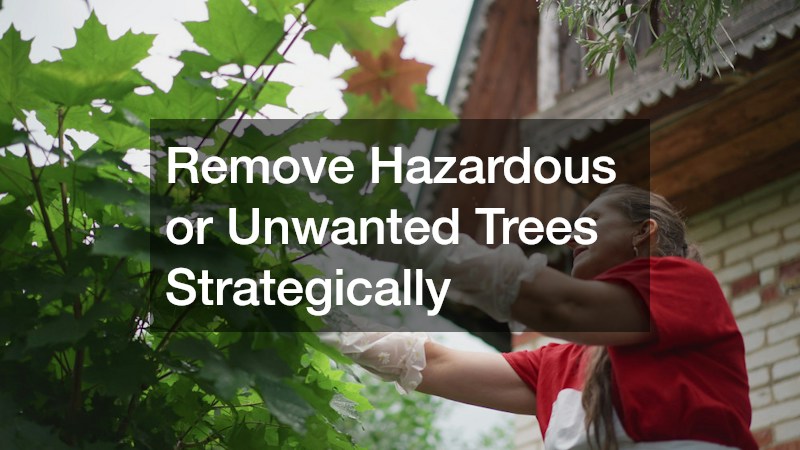
Trees can be among the most valuable features of a landscape, so removal should be considered carefully. A tree that looks unattractive is not necessarily unhealthy, and a tree with a full canopy is not automatically structurally sound. Condition, location, and risk should guide the decision.
Warning signs that deserve professional evaluation include major cracks, severe lean, extensive dead branches, root damage, storm damage, large cavities, or a pattern of decline. Trees located close to homes, driveways, utility lines, and neighboring properties require additional attention because failure could affect more than the tree itself.
A tree removal service can assess the site and explain how the work will be performed. The complexity of removal depends on tree size, access, nearby structures, and the amount of open space available for equipment.
Before approving work, ask:
- Is debris hauling included?
- Will large logs remain on the property?
- How will nearby landscaping be protected?
- Is stump work included or priced separately?
- Does equipment need to cross the lawn?
- What cleanup will be completed?
The remaining stump should be part of the plan from the beginning. A stump grinding service can reduce the visible obstruction and make the area easier to reuse, but homeowners should ask how deep the stump will be ground and what will happen to the wood chips afterward.
Think about what you want the former tree area to become. If you plan to reseed with grass, install a bed, or create another landscape feature, tell the contractor before the work begins. The final depth and cleanup approach may affect how easily the area can be restored.
Do not rush to replant a large tree in exactly the same spot. Existing roots, remaining wood, soil conditions, and available space may make another location more suitable. A broader landscape plan can help the new planting fit the property better.
Stabilize Problem Areas Before They Affect the Landscape
Changes in soil can create problems throughout the property. Erosion, settling, washout, and repeated movement can affect lawns, planting beds, slopes, walkways, and other improvements. Covering a problem area with new topsoil or mulch may make it look better temporarily, but it may not address the underlying cause.
Old stumps can also interfere with redesign plans. A stump grinding service may be useful before installing new turf, planting beds, paths, or other features in the same area. Large surface roots and remaining underground material should also be considered when planning what comes next.
Watch for warning signs of soil movement:
- Channels where rainwater repeatedly flows
- Exposed roots
- Soil pulling away from structures
- Depressions that collect water
- Cracks in nearby hardscape
- Slopes that continue to wash out
- Areas that sink after heavy rain
When these conditions repeat, soil stabilization services may be appropriate. A professional can evaluate why the soil is moving and determine whether drainage, grading, slope support, or another solution should be considered.
The sequence of work matters. Stabilize the site before installing expensive plants, paving, retaining features, or decorative finishes. Otherwise, new improvements may be damaged by the same soil movement that affected the original area.
Drainage should be considered at the same time. Water moving too quickly across a slope can carry soil away, while water that collects in one location can soften the ground and contribute to settlement. Observe the property during or shortly after heavy rain to see where water originates and where it travels.
For larger projects, coordinate soil work with the overall landscape plan. A solution that redirects water should not simply move the problem to another part of the yard or a neighboring property. The goal is to create a more stable base for the improvements that follow.
If the property has several problem areas, rank them by urgency. Conditions that threaten structures, create unsafe walking surfaces, or continue to worsen during storms should generally be addressed before purely decorative projects. This approach helps prevent spending money on new features that later need to be removed or repaired when a more fundamental issue is corrected. This makes project sequencing easier to discuss with contractors before work begins.
Improve Driveways and Hardscaping for Safer Access
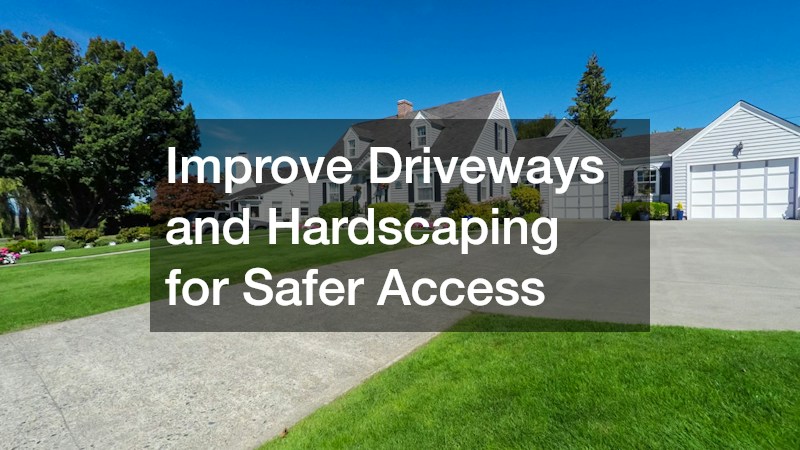
Driveways, walkways, and other paved surfaces are functional parts of the landscape. Cracks, depressions, crumbling edges, and standing water can affect appearance, drainage, and ease of use. Small defects should be monitored because water can enter damaged areas and contribute to further deterioration.
Walk the driveway periodically and look for:
- New or widening cracks
- Potholes
- Uneven or sunken sections
- Crumbling edges
- Standing water after rain
- Areas where runoff crosses the surface
- Changes near adjoining soil or landscaping
A driveway paving service can evaluate whether isolated damage may be repaired or whether a larger section should be resurfaced or replaced. The condition of the base beneath the surface is important, so ask what preparation, excavation, grading, or drainage work is included in the estimate.
Correct water problems before major paving work begins. Runoff from roofs, lawns, slopes, and downspouts can shorten the life of a paved surface if it repeatedly collects in the same area. Watch the driveway during a heavy rain to identify where water pools or crosses the pavement.
For new asphalt paving, proper preparation is just as important as the visible finished surface. A stable base, appropriate slope, drainage, and edge support all contribute to long-term performance. Ask the contractor how the site will be prepared and when vehicles can safely use the new surface.
Also think about how the driveway connects to the rest of the property. New pavement can change how water moves, so nearby planting beds, walkways, and drainage areas should be considered during planning.
After installation, follow the contractor’s recommendations for curing and maintenance. Avoid placing heavy loads on a new surface before it is ready, and monitor edges and drainage patterns as the property settles.
Create an Outdoor Improvement Plan That Lasts
A greener, healthier property is created through planning rather than a collection of unrelated upgrades. Lawns, trees, planting beds, soil, drainage, and paved areas all influence one another, so improvements should be completed in an order that supports long-term performance.
Start with problems that can worsen if ignored. Correct drainage and soil movement before installing new plants. Address hazardous vegetation before designing around it. Repair unstable or deteriorated surfaces before spending heavily on nearby cosmetic features.
Create a seasonal inspection routine and keep records of major work. Photos, invoices, warranties, planting plans, and contractor recommendations can make future maintenance easier and help you understand how the property has changed.
Finally, budget for upkeep as well as installation. Every outdoor improvement will eventually require some level of maintenance. Planning for those needs from the beginning can help create a landscape that remains attractive, functional, and manageable for years to come.
About the Author