Start With a Clear Plan Before You Touch Your Yard
Starting a yard improvement project is exciting, but it can quickly become overwhelming without the right preparation. Many homeowners jump straight into buying materials or hiring contractors, only to realize later that they overlooked key details. A well-thought-out plan is what separates a smooth, successful transformation from a stressful and costly experience.
Before making any changes, it’s important to think about how your outdoor space fits into your lifestyle. Do you want a place for entertaining guests, a quiet retreat, or a functional space for kids and pets? Each goal will shape your decisions moving forward. Planning also helps you avoid common pitfalls like overspending, poor layout choices, or mismatched design elements.
This guide walks you through everything you need to know before starting yard improvements—from setting goals and budgets to choosing materials and hiring the right professionals. By taking the time to plan properly, you can create an outdoor space that not only looks great but also works for your everyday needs.
Define Your Goals and Priorities Before You Start
The first step in any yard improvement project is understanding exactly what you want to achieve. Without clear goals, it’s easy to get sidetracked or make decisions that don’t align with your long-term vision.
Start by listing your top priorities. Do you want better curb appeal, more usable space, or a low-maintenance yard? Maybe you’re aiming to increase your home’s resale value or create an outdoor area for entertaining. Each of these goals will influence your design, budget, and timeline.
It’s also helpful to divide your ideas into “must-haves” and “nice-to-haves.” Must-haves are essential features, while nice-to-haves can be added later if your budget allows. This approach keeps your project focused and prevents overspending.
If you’re unsure how to bring your ideas together, working with a landscape designer can provide clarity. They can help translate your vision into a cohesive plan that balances aesthetics and functionality. For homeowners looking for a more hands-off approach, full-service landscaping services can manage everything from design to installation, ensuring all elements work together seamlessly.
Set a Realistic Budget and Build in Flexibility
Budgeting is one of the most important—and often underestimated—parts of yard improvements. Without a clear financial plan, costs can spiral quickly.
Begin by researching average costs for the features you want. Break your budget into categories such as materials, labor, permits, and contingency funds. A good rule of thumb is to set aside an extra 10–20% for unexpected expenses, which are almost inevitable in outdoor projects.
Different upgrades come with different price ranges. For example, hiring a patio contractor can vary widely depending on the complexity of the design, materials used, and site conditions. Similarly, installing a paver patio may seem straightforward, but costs can increase based on size, base preparation, and custom patterns.
It’s also important to think long-term. Investing in higher-quality materials or professional installation may cost more upfront but can save you money on repairs and maintenance later. A realistic, flexible budget allows you to make smart decisions without compromising your overall vision.
Evaluate Your Yard’s Current Condition
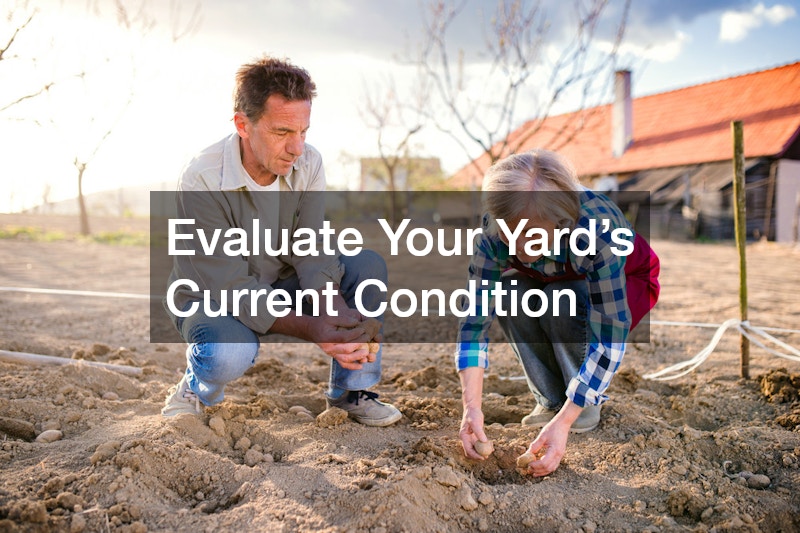
Before making improvements, take a close look at your yard’s existing conditions. Understanding what you’re working with helps you avoid costly surprises and ensures your upgrades are built on a solid foundation.
Start by assessing soil quality, drainage, and grading. Poor drainage can lead to standing water, erosion, and damage to new features. Uneven terrain may require leveling before construction begins. Also, consider how sunlight and shade affect different areas of your yard.
Inspect existing structures like patios, walkways, and doors. If you notice drafts, leaks, or difficulty opening and closing, it might be time for a patio door replacement. Addressing these issues early prevents them from interfering with your project later.
For structural elements like retaining walls or stone pathways, consulting experienced hardscape installers can help identify potential challenges and recommend the best solutions. A thorough evaluation ensures your improvements are both durable and functional.
Understand Local Regulations and Permits
Many homeowners overlook permits and regulations, but they play a critical role in yard improvement projects. Failing to follow local rules can result in fines, delays, or even having to remove completed work, which can significantly increase your overall costs and timeline.
Start by researching your city or county’s requirements before making any design decisions. Zoning laws often determine what types of structures are allowed on your property, while building codes ensure that those structures meet safety standards. Homeowners association (HOA) guidelines can add another layer of restrictions, including rules about aesthetics, materials, and even color choices. These regulations often dictate how close features can be built to property lines, how tall structures can be, and whether certain additions are permitted at all.
Certain projects, especially those involving hardscaping, may require permits due to their structural nature. This includes retaining walls, large patios, and drainage systems that can impact water flow or neighboring properties. In many cases, inspections are also required during or after construction to ensure everything meets code. Similarly, installing or replacing fences typically requires coordination with fence contractors who understand local requirements, including height restrictions, boundary rules, and necessary approvals.
It’s also important to factor in the time it takes to obtain permits, as approvals can take days or even weeks, depending on your location. Submitting complete and accurate applications helps prevent delays. Taking the time to handle permits upfront keeps your project organized, compliant, and free from avoidable setbacks.
Plan the Layout for Function and Flow
A well-designed yard isn’t just about looks—it’s about how the space works for you. Planning the layout carefully ensures that every feature serves a purpose and contributes to a cohesive design.
Think about how you’ll move through the space. Create clear pathways between different areas, such as dining, lounging, and play zones. Make sure there’s enough room for furniture, foot traffic, and any additional features you plan to include.
Balance is key. Too many elements can make a yard feel cluttered, while too few can leave it underwhelming. Aim for a design that feels open yet purposeful.
Maintenance should also factor into your layout. Incorporating areas that are easy to care for can save time and effort in the long run. For example, designing with lawn maintenance services in mind can help you choose grass types and layouts that are easier to maintain. Similarly, working with a local lawn care service can provide insights into what works best for your region.
Choose Materials That Match Your Climate and Lifestyle
The materials you choose will have a big impact on both the appearance and durability of your yard. It’s important to select options that can withstand your local climate and fit your lifestyle.
Consider factors like temperature fluctuations, rainfall, and sun exposure. Materials that perform well in one region may not hold up in another. For example, certain stones or woods may crack, fade, or warp under extreme conditions.
Lifestyle is another key consideration. If you prefer a low-maintenance yard, opt for materials that require minimal upkeep. If you enjoy hands-on care, you may have more flexibility in your choices.
When planning structural features, think about how different materials contribute to overall hardscaping. Durable options like concrete, stone, and brick are popular for their longevity. Consulting with hardscape installers can help you choose materials that balance aesthetics, performance, and maintenance needs.
Hire the Right Professionals for Each Job
Choosing the right professionals can make or break your project. While some tasks can be handled on your own, others require specialized skills and experience.
Start by researching contractors in your area. Look for reviews, portfolios, and proper licensing. Ask for references and take the time to verify their work. Clear communication is essential, so make sure you’re comfortable discussing your ideas and expectations.
Different aspects of your project may require different experts. For example, a patio contractor can handle the design and construction of outdoor living spaces, ensuring proper installation and drainage. If your project includes fencing, working with fence contractors ensures that your installation meets local codes and provides the privacy or security you need.
Hiring the right team not only improves the quality of your project but also reduces stress and potential setbacks.
Factor in Ongoing Maintenance Requirements
Every yard requires some level of maintenance, but the amount can vary significantly depending on your design choices. Thinking about upkeep ahead of time helps you avoid creating a space that’s difficult to manage. Many homeowners focus heavily on how their yard will look when it’s first completed, but long-term care is what ultimately determines whether that space stays attractive and functional.
Consider how much time and effort you’re willing to invest on a weekly and seasonal basis. Features like large lawns, intricate plantings, and certain materials may require regular care, including watering, trimming, fertilizing, and pest control. If you have a busy schedule or prefer to spend your free time enjoying your yard rather than working in it, these elements can quickly become overwhelming. On the other hand, simpler designs—such as smaller lawn areas, native plants, or low-maintenance materials—can significantly reduce ongoing upkeep while still delivering a polished look.
Professional services can also play a role in keeping your yard in top condition. Regular lawn maintenance services can handle tasks like mowing, fertilizing, and seasonal cleanup, ensuring your yard stays healthy year-round. If you prefer a more hands-off approach, hiring a local lawn care service ensures consistent care without the hassle of managing everything yourself or worrying about missing key maintenance tasks.
By planning for maintenance from the start, you can create a yard that fits your lifestyle and remains beautiful over time without becoming a burden.
Create a Realistic Project Timeline
Timing is another crucial factor in yard improvements. Without a clear timeline, projects can drag on longer than expected, leading to frustration and additional costs.
Start by breaking your project into phases. For example, you might begin with site preparation, followed by structural work, and then finishing touches. This approach makes the process more manageable and allows you to track progress more effectively.
Weather can also impact your timeline. Rain, extreme temperatures, and seasonal changes can delay certain tasks. Plan accordingly and build in extra time to account for these variables.
If you’re working with professionals, coordinate schedules early. Landscaping services often book up quickly, especially during peak seasons. Similarly, collaborating with a landscape designer at the planning stage ensures that your project moves forward smoothly once construction begins.
A realistic timeline keeps your project organized and helps you stay on track from start to finish.
Avoid Common Mistakes That Can Cost You Later
Even with careful planning, it’s easy to make mistakes that can affect the outcome of your project. Being aware of common pitfalls can help you avoid them.
One of the biggest mistakes is rushing into construction without a clear plan. This often leads to design inconsistencies and costly changes down the line. Another common issue is choosing the cheapest option instead of focusing on quality, which can result in frequent repairs or replacements.
Ignoring structural and drainage concerns is another major risk. Problems like poor grading or inadequate support can compromise the durability of your improvements. Working with experienced hardscape installers can help you address these issues properly.
It’s also important to align all professionals involved in your project. Miscommunication between contractors can lead to delays and mismatched results. If your project includes features like a paver patio, ensure that everyone is working toward the same design and specifications.
By taking a thoughtful, proactive approach, you can avoid these mistakes and create a yard that meets your expectations.
Wrap Up Your Yard Project With Confidence
Starting a yard improvement project is a big investment, but with the right preparation, it can be an incredibly rewarding experience. Taking the time to plan your goals, budget, layout, and materials ensures that every decision contributes to a cohesive and functional outdoor space.
From evaluating your yard’s condition to hiring the right professionals and planning for maintenance, each step plays a crucial role in the success of your project. By approaching the process strategically, you can avoid common pitfalls and make the most of your investment.
With careful planning and the right support, your outdoor space can become a place you truly enjoy—whether it’s for relaxing, entertaining, or simply enhancing the overall look and value of your home.
About the Author