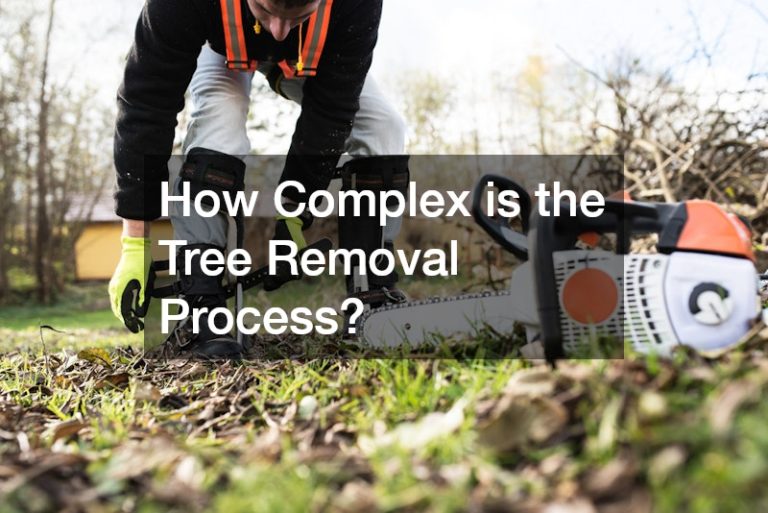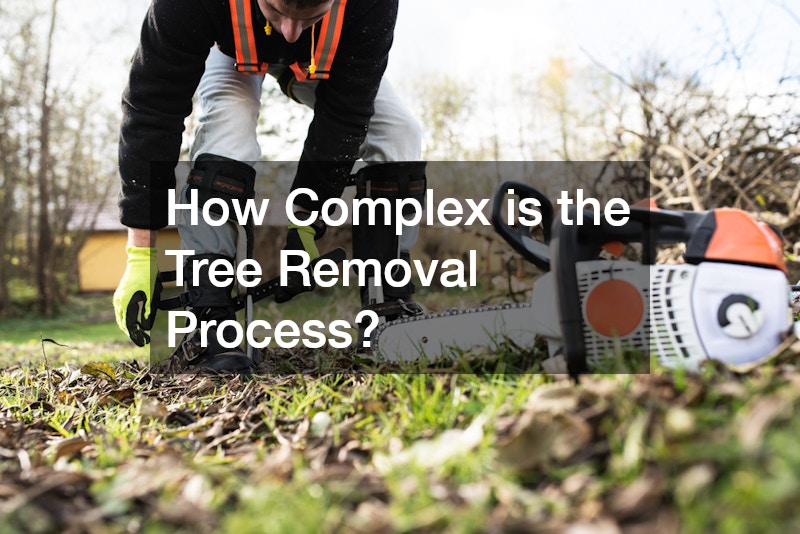
Tree removal is an important aspect of landscape management and urban safety. While trees offer immense ecological and aesthetic benefits, there are circumstances where removal becomes essential. Dead or dying trees pose safety risks, threatening nearby structures, vehicles, and pedestrians.
Furthermore, diseased trees can spread infections to healthy specimens, uprooting the ecological balance of an area. Finally, certain trees may grow too large for their location, interfering with buildings, power lines, and underground utilities.
Assessing whether a tree should be removed involves careful consideration of its health, location, and potential hazards. A certified arborist can evaluate the condition of the tree, often using tools and technology to examine its structural integrity. Decisions are not made lightly as mature tree removal can significantly impact the local environment. However, the safety and health considerations often outweigh the benefits of keeping a problematic tree. This process highlights the complexity of determining when tree removal is the most responsible option.
The broader impact of tree removal on an ecosystem cannot be overlooked. Removing a tree affects the local wildlife, alters shade patterns, and may influence soil stability. As such, the decision to remove a tree also involves planning for environmental restoration, such as planting new trees in suitable locations. Balancing ecological impact with human safety and property considerations underscores the multifaceted nature of the tree removal process. Tree removal thus requires an informed approach, integrating various environmental, aesthetic, and safety factors.
The Legality and Regulations Surrounding Tree Removal
Tree removal is subject to various local regulations and laws, reflecting the importance of trees to community environments and individual properties. Many municipalities have specific ordinances outlining procedures and permits required for tree removal. These regulations often differentiate between private and public tree removal and address what can be done about trees interfering with utilities or structures. Compliance with local laws is crucial to avoid legal fines and ensure environmentally responsible practices.
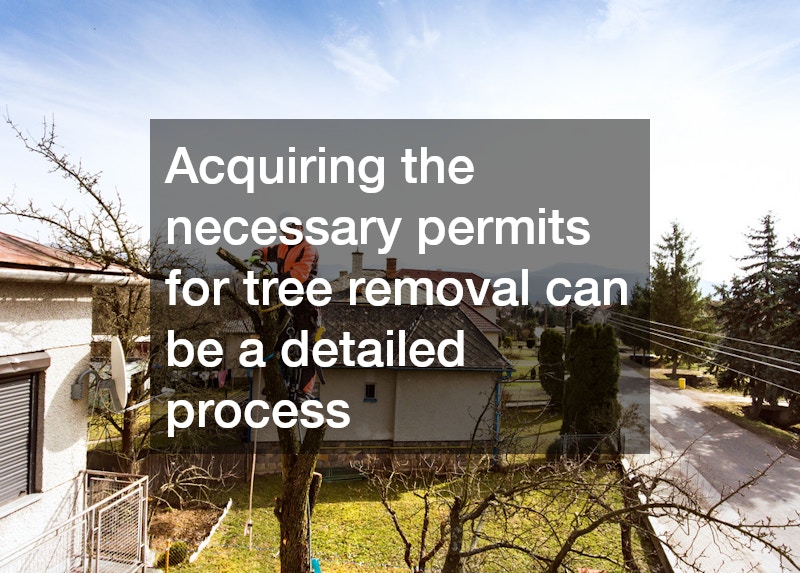
Acquiring the necessary permits for tree removal can be a detailed process. Homeowners and businesses must often submit applications detailing the reasons for removal, accompanying evidence, and plans for property redevelopment or tree replacement. Regulatory bodies may require site inspections and consult with environmental experts or arborists before granting approval. This ensures that any decision considers the broader community and ecological impacts. It shows that tree removal is as much about planning and paperwork as it is about the actual cutting and disposal process.
Furthermore, tree removal regulations encourage property owners to engage with professionals, ensuring that tree care and removal abide by accepted safety and environmental standards. Professional tree service companies are typically well-versed in these regulations and can navigate permit processes effectively. They prioritize both compliance and safety when conducting tree removal, ensuring every step meets legal requirements. This professional guidance is key to the complex regulatory landscape surrounding tree removal activities.
The Tree Removal Process: From Planning to Execution
The tree removal process begins with a comprehensive assessment and planning phase. Professionals evaluate the tree size, location, structural stability, and surrounding environment. Based on this assessment, they develop a detailed removal plan tailored to the site’s specific needs. This includes identifying potential hazards such as obstructive branches, unstable trunks, or environmental risks, and strategizing containment measures. Planning thus ensures the removal is safe, efficient, and minimally disruptive to the surrounding area.
Execution of the tree removal involves meticulous attention to safety and precision. Skilled arborists use a combination of hand tools and machinery, such as chainsaws, cranes, and wood chippers, to handle trees of varying sizes and conditions. Tree removal is executed in calculated steps, often involving the gradual cutting and lowering of branches and sections. This minimizes damage to the surrounding landscape and reduces the risk of accidents. The complexity of execution depends on numerous factors, including tree size, proximity to structures, and the presence of utility lines.
Post-removal, professionals focus on site cleanup and restoration. This typically involves stump grinding, debris clearance, and, where appropriate, replanting new trees to replace the lost ones. Considerations for landscape restoration ensure that the removal process preserves or enhances the property’s aesthetic and environmental health. Such comprehensive approaches reflect not only the technical complexity but also the meticulous planning involved in tree removal, from the first assessment to the final cleanup and recovery phase.
Choosing the Right Professionals for Tree Removal
Selecting the right professionals for tree removal is critical to ensuring the process is done safely, legally, and efficiently. Reputable tree service companies have certified arborists who bring expertise, experience, and knowledge of regulatory compliance. They conduct safety assessments and recommend removal strategies best suited for the individual tree and site circumstances. This professional oversight is essential for managing the inherent risks associated with tree removal, such as potential property damage or personal injury.
When hiring tree removal services, it is vital to verify the company’s credentials and insurance coverage. Professionals should be licensed and insured, providing assurance against liabilities such as on-site accidents or damage to property. Reviews and references from previous clients can offer insight into a company’s reliability and quality of service. Furthermore, transparency about costs, timeline, and process details signals a trustworthy service provider. Such due diligence guarantees that the removal is conducted to high standards, protecting both the client and the broader ecosystem.
Ultimately, the cost of tree removal services reflects the complexity and risk of the task, with variations based on factors like tree size, accessibility, and regulatory requirements. Hiring professionals can mitigate these challenges, offering expert solutions that balance efficiency, safety, and environmental responsibility. The comprehensive nature of professional tree removal services emphasizes the skill and precision necessary to manage this complex process, ensuring it is conducted in a manner that prioritizes safety, legality, and environmental stewardship.
About the Author